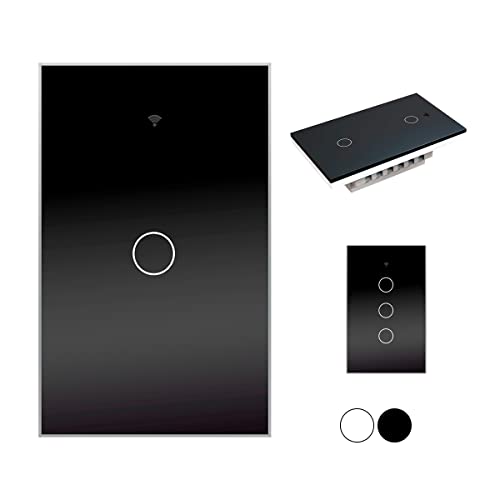
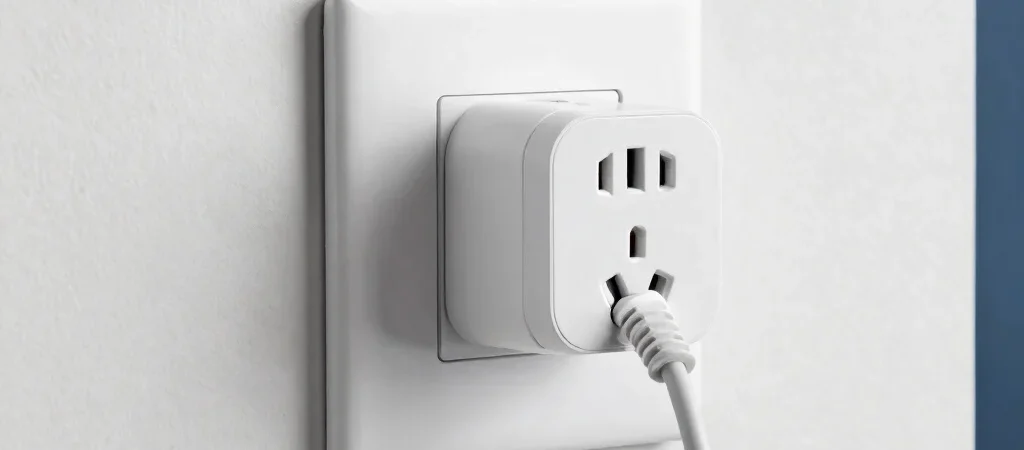
The most useful smart plug is often the one that fits behind the sofa or beside the kitchen counter without making the outlet awkward to use. Product pages tend to emphasize app features, but the shape of your wall outlet and the devices around it can decide whether the plug is practical at all. Start by looking at the actual spot where you plan to use it.
Measure the Physical Fit
Check whether the plug’s width or depth could cover a second socket, interfere with a nearby cabinet, or leave a tight bend in a cord. A smart plug may also be a poor fit where an outlet sits behind a large piece of furniture and needs frequent manual access. Product dimensions and clear photos can help you catch these issues before choosing a model.
Check Compatibility Before Features
Confirm which wireless network bands and app ecosystem the plug supports, then compare that with the router and voice assistant you already use. Some models offer schedules, timers, or energy monitoring, but those functions can depend on the manufacturer’s app and setup. If you want to control a device when you are away, check the product documentation for how remote access works.
Keep the Appliance in View
A plug’s maximum load is not a detail to guess at: check its rating and the appliance’s requirements, and follow the manufacturer’s instructions. Do not assume a small smart plug is appropriate for a high-draw appliance just because its connector fits. For a lamp or another low-power device, a schedule may be the feature that matters most; for other uses, a basic on-and-off control may be enough.
Before comparing prices or extra features, note the outlet location, the appliance, and the controls you actually want. Those three details narrow the field more reliably than a long list of smart-home integrations. Some links in this article may be affiliate links, which can earn Smart Reviews a commission at no additional cost to you.